
Introduction
In Hawaiian culture, oral tradition and genealogy creates a living tapestry of our history. Growing up surrounded by genealogists, I learned early on that our stories and lineage are threads in a larger tapestry, connecting us to our past and to each other. So, when I had the chance to join the Mo’okū’auhau & Mo’olelo Hackathon from July 29-31, 2022, I felt like I’d won the lottery. Over three whirlwind days, 120 participants—including software developers, UX researchers, UI designers, storytellers, project managers, community members, and genealogists—came together to explore our identities through the lens of Native Hawaiian genealogy and oral tradition. Our mission? To design a digital prototype for a modern genealogical tool rooted in the practices and values of Native Hawaiian culture.
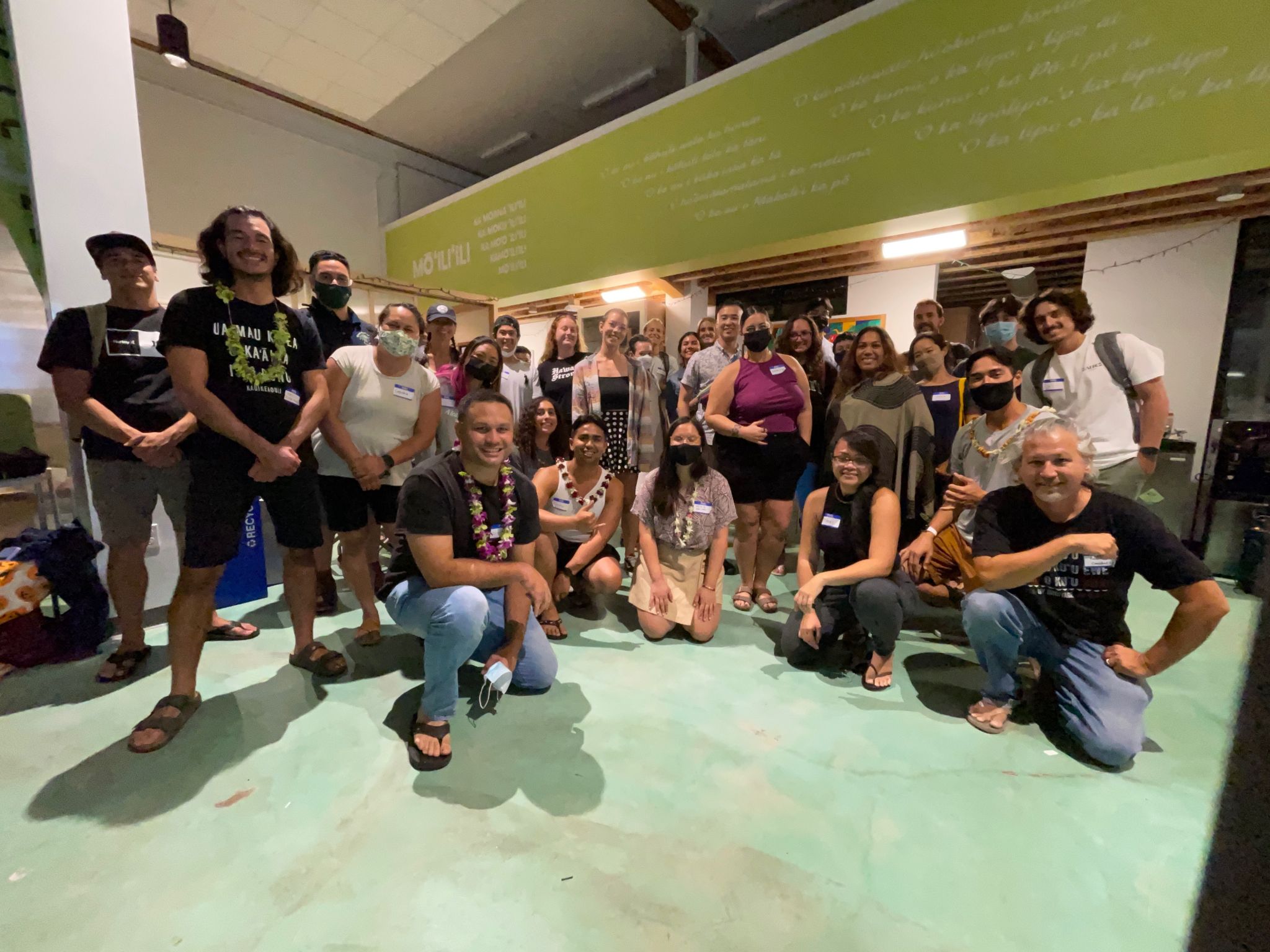
Here’s the snapshot:
- Completed: July 29-31, 2022
- Duration: 3 days
- Client: Hawaiians in Technology
- My Role: Data Visualization UX Designer
- Collaborators: A vibrant mix of tech experts, cultural practitioners, and community voices
This case study dives into how we got there, what we built, and what’s next for this passion project.
Research & Discovery: Listening to the Past, Designing for the Future
Setting the Stage
From the outset, our goal was clear: create an accessible mo’okū’auhau (genealogy) tool that leverages technology while honoring Native Hawaiian traditions and culture. But genealogy isn’t just names and dates—it’s a living, breathing narrative. How could we translate that into a digital experience? To answer that, we framed our research around some big questions:
- What’s essential when researching genealogy in a Hawaiian context?
- Who’s this for, and why will they use it?
- How do we mirror the intricate family systems of ancient Hawai’i—and modern ones—in a database?
- How do we validate the “truth” in oral traditions, which often evolve with each telling?
- And perhaps most excitingly: How can we turn raw data into visualized stories?
Digging In
We hit the ground running with a two-pronged approach:
- User Interviews & Community Discussions
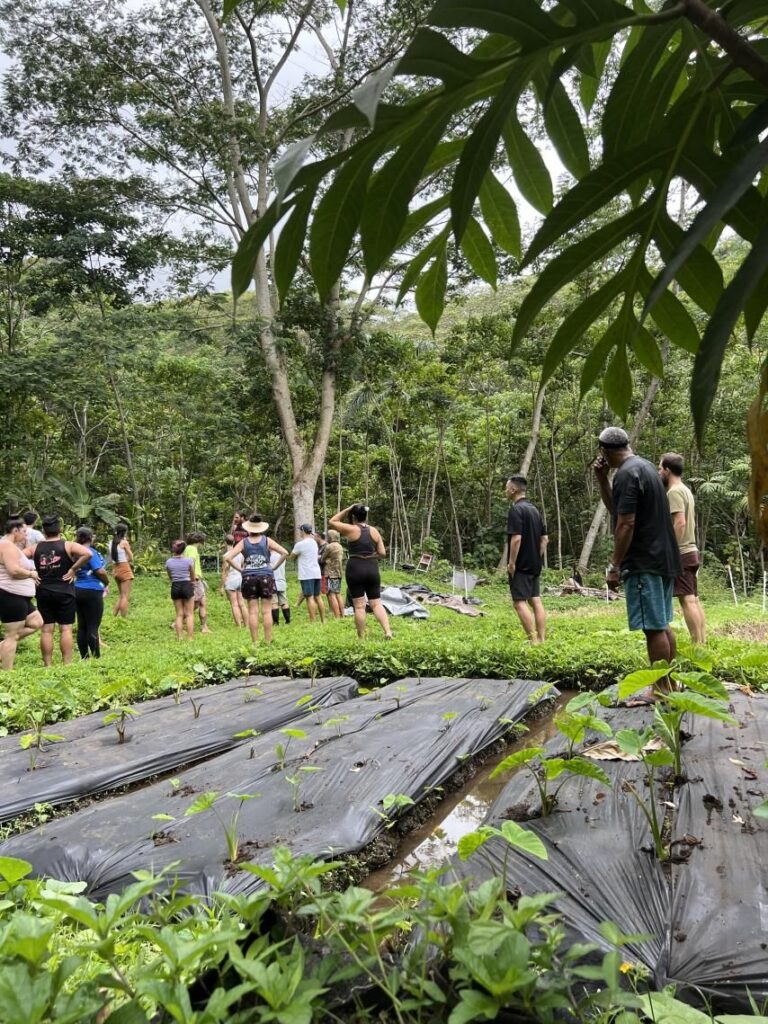
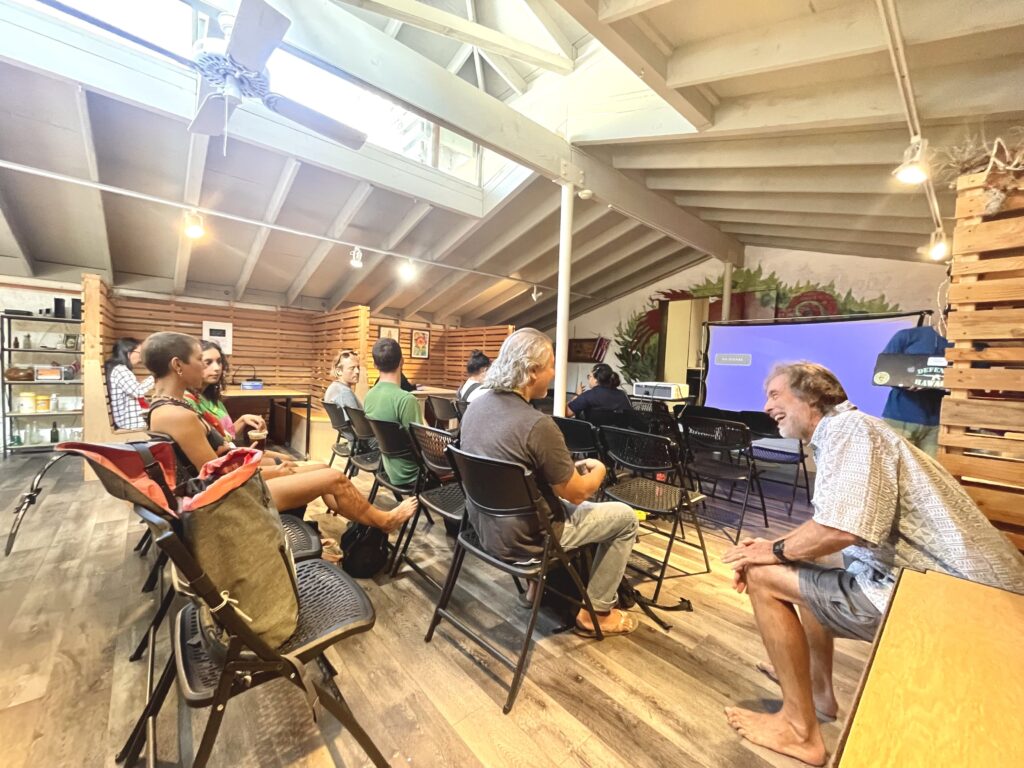
We sat down (virtually and in-person) with cultural practitioners, genealogists, and Native Hawaiian community members. We heard about the deep significance of mo’olelo (stories) and how genealogy isn’t just a record but a way to understand identity, land, and relationships. - Ethnographic Research
We pored over historical Hawaiian genealogy records—some written, some passed down orally—and studied documentation of oral traditions. We identified recurring themes: the centrality of family connections, the layering of stories across generations, and the importance of place. These weren’t just data points; they were clues to designing something meaningful.
Key Features & Solutions: Bringing Genealogy to Life
Armed with insights, our team brainstormed, sketched, and coded our way to a prototype with two standout features:
Family Tree Map Visualization
We didn’t want a static, linear family tree—Hawaiian genealogy is too dynamic for that. Instead, we designed an interactive map structure that blends census data with family oral traditions. Picture this: a user clicks a node (say, a great-grandparent), and the map unfurls to show not just names but places they lived, stories tied to them, and connections to others. It’s less a chart and more a living landscape of heritage.
Mo’olelo Database
Stories are the heartbeat of this project, so we built a searchable database where users can upload, share, and compare their family mo’olelo. Whether it’s a tale of an ancestor’s voyage or a snippet of a lullaby passed down, this system preserves them digitally while letting users see how their stories intersect with others’. It’s a digital campfire—everyone gathers, shares, and listens.
Outcomes & Reflections: A Seed Planted
By the end of the hackathon, we had a working prototype that turned raw genealogical data into something vibrant and engaging. The Family Tree Map Visualization and Mo’olelo Database aren’t just tools—they’re bridges between generations, strengthening cultural connections for Native Hawaiian users.
But this is just the beginning. These design artifacts are a foundation, a starting point for future data visualization products. The hackathon was a sprint; now, we’re gearing up for the marathon.
Reflecting on this, I’m struck by how much I learned—not just about UX design but about the power of technology to preserve what matters. As someone with genealogists in my family, I felt a personal pull to get this right. Seeing community members light up as they explored the prototype was a reminder: this isn’t just about pixels and code. It’s about identity.
Next Steps: Growing the Vision
The project’s still in its early stages, but the roadmap is exciting:
- User Testing: We’ll keep working with Native Hawaiian communities to refine the features—ensuring they’re intuitive, respectful, and useful.
- Multimedia Expansion: Imagine the Mo’olelo Database with audio recordings, video clips, or even virtual reality elements—storytelling in full color.
- Accessibility: Broadening the tool’s reach so more people can connect with their roots, digitally and culturally.
Participating in this hackathon didn’t just sharpen my skills as a Data Visualization UX Designer—it deepened my appreciation for how tech can celebrate heritage. I’m eager to see this concept evolve and to keep pushing the boundaries of what digital genealogy can be.